

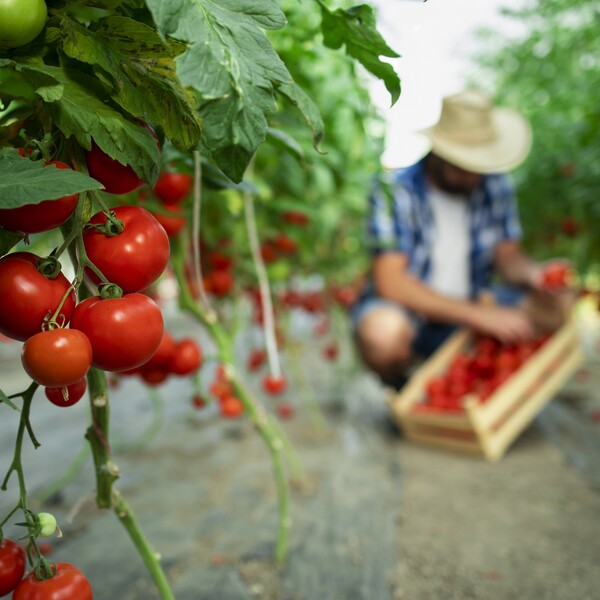
Holden Harvest’s Green Approach
Holden Harvest’s Green Path: A Comprehensive Guide to Sustainability in the Floral and Produce Industry
In today’s world, sustainability is no longer a choice—it is a necessity. At Holden Harvest, we believe that the journey of producing fresh goods, from organic vegetables to ornamental flowers, must be deeply rooted in respect for nature. In this article, we explore how we are setting new benchmarks in the agricultural industry by merging cutting-edge technology with environmental .responsibility
Why Sustainability is the Heartbeat of Holden Harvest
As specialists in providing fresh vegetables and floral products, we are acutely aware of the environmental footprint of our industry. Our vision goes beyond simple production; it is built on innovation across every stage of the supply chain. Our goal is to achieve responsible production, ethical sourcing, and rigorous environmental stewardship.
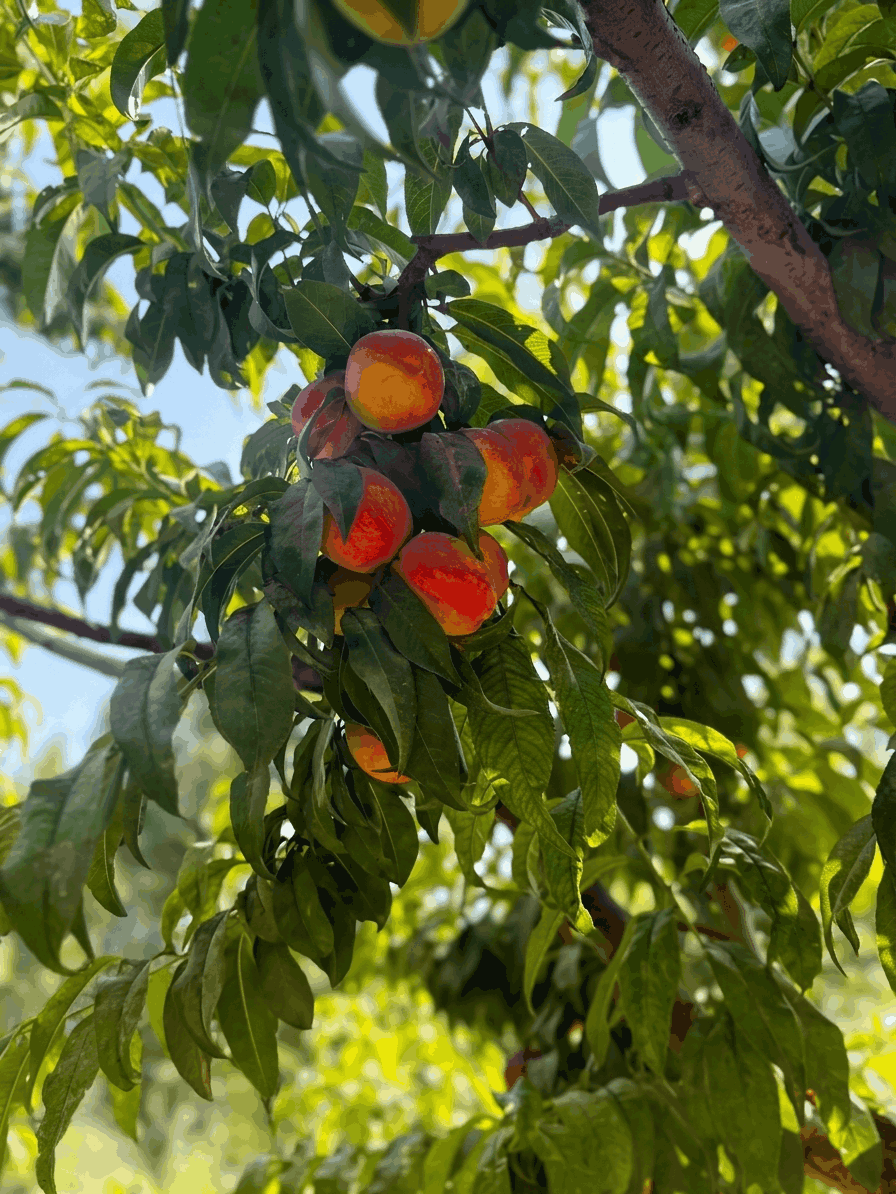
1. Leveraging Green Technologies: A Smarter Future
A core pillar of our strategy is replacing traditional methods with Smart Farming technologies. We operate with precision to minimize negative impacts:
- Precision Farming: Utilizing drones for crop health monitoring and soil sensors for precise resource management.
- Resource Optimization: These methods allow us to increase yields and reduce pesticide application without overexploiting natural resources.
- Renewable Energy: We have integrated solar panels at our processing facilities and utilize energy-efficient refrigeration systems to drastically reduce our carbon footprint.
2. Intelligent Water Management: Making Every Drop Count
Given the global water crisis, water management within our production process is a critical priority. To preserve this precious resource, we implement:
- Rainwater Harvesting Systems: Capturing and repurposing natural resources.
- Drip Irrigation: Delivering water directly to the roots to prevent evaporation and waste.
- Advanced Water Recycling: Utilizing high-tech systems to circulate and reuse water within our production cycle.
3. The Circular Economy: Redefining Waste
At Holden Harvest, we are on a mission to eliminate the concept of “waste.” Our objective is to transform by-products into resources:
- Composting: We work with partners to recycle plant waste into nutrient-rich compost, which enriches the soil for future crops.
- Reducing Food Loss: By collaborating closely with our logistics and sales teams, we optimize inventory management. Any unsellable but healthy produce is donated to local food banks and charities, ensuring nothing goes to waste.
4. Ethical Sourcing and Fair Trade Practices
For us, sustainability extends beyond the environment to encompass social responsibility. We are committed to:
- Supporting Farmers: Partnering with suppliers who guarantee workers’ rights, human rights, and safe working conditions.
- Economic Development: By championing Fair Trade, we contribute to the economic growth of the regions where our products are sourced.
5. Community Education and Engagement
We believe true sustainability happens when we move together. Holden Harvest is more than just a provider; it is an educational hub. Through our platform and local events, we advocate for:
- Urban Farming
- Sustainable Gardening
- Zero-Waste Living
A Vision for the Future: Scaling Sustainability
As Holden Harvest continues to expand, we remain committed to scaling these green initiatives across every facet of our business. We envision a future where sustainability is not a niche feature, but a universal standard in the fresh produce and floral industries.
Frequently Asked Questions
Have a question? You might find the answer here! If not, feel free to reach out.
-
How does your sustainability commitment benefit B2B partners?
Partnering with a sustainable supplier ensures supply chain resilience, helps your business meet global environmental compliance standards, and adds significant value to your brand among health-conscious consumers.
-
How do you integrate social responsibility into your supply chain?
We enforce Fair Trade practices across our network, ensuring ethical working conditions, respect for human rights, and the economic development of the farming communities we source from.
-
What is your strategy for reducing food waste?
We follow circular economy principles by composting all plant waste into soil nutrients and donating surplus healthy produce to local food banks, ensuring nothing goes to waste.
-
How does Holden Harvest manage water resources in production?
We prioritize water conservation through rainwater harvesting, high-efficiency drip irrigation, and advanced recycling systems that circulate water throughout our production cycle to eliminate waste.
-
How does Smart Farming reduce your environmental impact?
We use precision farming technologies—including drones for monitoring and soil sensors—to optimize resource use, reduce pesticide application, and increase yields while minimizing our ecological footprint.


